The Regulars Already Know: How to Time Your Deli Visit for the Freshest Picks of the Week

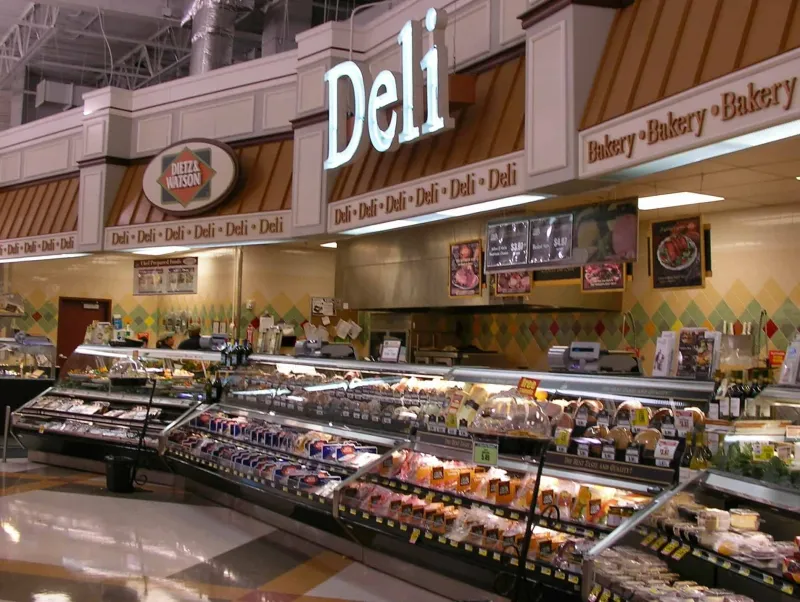
Photo: deli counter fresh meats and cheeses delivery morning, via gotasdepaz.com.br
If you've ever walked into your favorite neighborhood deli on a Friday evening and found the pastrami looking a little tired, or the provolone a touch dry around the edges, you're not imagining things. Freshness at a deli isn't just about quality control — it's about timing. And if you know how the week actually unfolds behind the counter, you'll start shopping smarter without ever having to ask.
This isn't insider gossip. It's just the rhythm of how a working deli operates, and once you understand it, you'll never look at a Tuesday afternoon the same way again.
The Week Has a Pulse — And It Starts Before You Wake Up
Most neighborhood delis aren't ordering ingredients off a shelf at a warehouse. They're working with local suppliers, regional distributors, and sometimes direct relationships with farms and smokehouses. Those relationships come with schedules — and those schedules shape everything.
The typical delivery cycle for a small-to-mid-sized deli runs two to three times a week. A common pattern looks something like this: a major protein and charcuterie delivery arrives Monday or Tuesday, a dairy and specialty cheese order comes in mid-week, and bread gets restocked daily or every other day depending on the bakery relationship. By Thursday, the deli is usually well-stocked and humming. By Saturday afternoon, you're working through the tail end of what came in earlier that week.
That's not a complaint about Saturday — it's just physics.
Why Tuesday Afternoon Has a Cult Following
Talk to enough deli regulars and a pattern starts to emerge. The ones who've been coming in for years — the ones who know the owner by name and get their order started before they even reach the counter — tend to show up mid-week. Tuesday and Wednesday afternoons, specifically.
Here's why that window works so well.
Monday deliveries have had time to be properly broken down, trimmed, and set up by Tuesday. The new stock is in rotation, but the weekend rush crowds are long gone. The counter staff isn't slammed, which means your order gets full attention. And because the week's supply is fresh but not yet tapped, you're more likely to find specialty items fully stocked — the good imported Swiss, the house-made chicken salad, the limited-run seasonal spread that sells out by Thursday.
There's also something to be said for the energy of a Tuesday afternoon deli. It's not the frantic Saturday lunch rush. It's not the Monday morning scramble. It's a quieter, more focused time — and that tends to translate into better conversation, better service, and yes, a better sandwich.
How Deli Owners Actually Source the Good Stuff
It's easy to assume that all deli meat comes from the same regional distributor. Some of it does. But the delis that earn real loyalty — the ones with a line out the door and a reputation that survives decades — are usually doing something extra on the sourcing side.
That might mean a standing relationship with a specific smokehouse for their pastrami. It might mean a weekly call to a local cheesemaker who sets aside a wheel or two before they sell to anyone else. Some deli owners drive to the market themselves on certain mornings, picking produce by hand for their house-made sides. Others have built relationships with butchers who alert them when a particularly good batch of brisket or corned beef is ready.
These aren't random decisions. They're the result of years of building trust with suppliers who know that a deli owner will actually use what they deliver, and use it right. That mutual respect is what keeps the quality high — and it's why the best delis often have things you simply can't find at a grocery store.
What This Means for You as a Customer
Knowing the delivery schedule doesn't mean you need to memorize a spreadsheet. It just means asking a simple question the next time you're at the counter: When do you usually get your [insert item] in?
A good deli counter person will tell you without hesitation. They want you to come back when the stuff is at its best. That's how regulars are made.
A few practical takeaways:
- Mid-week visits (Tuesday through Thursday) tend to catch the freshest proteins and cheeses before the weekend crowd depletes them.
- Early in the day on delivery days means you might catch something new that just came in — ask if anything arrived that morning.
- Avoid the end-of-week rush if you're after specialty items. The smoked salmon, the aged gouda, the house-cured anything — those go fast once the weekend crowd hits.
- Build a relationship. If you're a regular who always orders the same thing, a good deli owner will often set it aside or give you a heads-up when something exceptional comes in.
The Hidden Effort Behind a Great Deli Counter
There's a tendency to think of a deli as a simple operation — a glass case, some sliced meat, a roll. But keeping that case stocked with genuinely good food is a logistical act of care that happens mostly out of sight.
Owners are juggling supplier relationships, managing shelf life, tracking which items move fast and which linger, and constantly adjusting orders based on the season, local events, and even the weather (yes, a cold snap genuinely affects what people order). The goal is always the same: make sure that when you walk through the door, what's behind that glass is worth your time.
At M&M Deli, that rhythm is something we think about constantly. The neighborhood deserves food that's actually fresh — not just technically within date, but genuinely at its peak. That means paying attention to when things arrive, how they're stored, and how quickly they turn over.
Come In When the Week Is Young
You don't have to overhaul your schedule to eat better from your local deli. Just start paying attention to the week's rhythm. Ask a few questions. Show up on a Tuesday when you can. Build a little loyalty with the folks behind the counter, and they'll take care of you in return.
The best delis aren't just selling food. They're running a finely tuned operation built on relationships, timing, and genuine pride in what gets served. Once you see it that way, every visit starts to feel a little more like a collaboration — and the sandwich at the end of it tastes all the better for it.