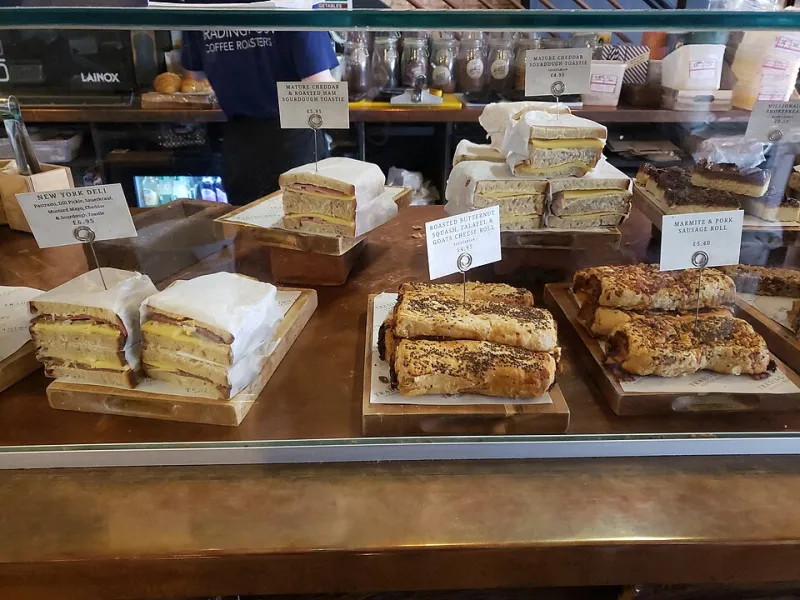
Don't Let the Commute Kill Your Sandwich: A Deli Worker's Guide to Packing Lunch Like a Pro
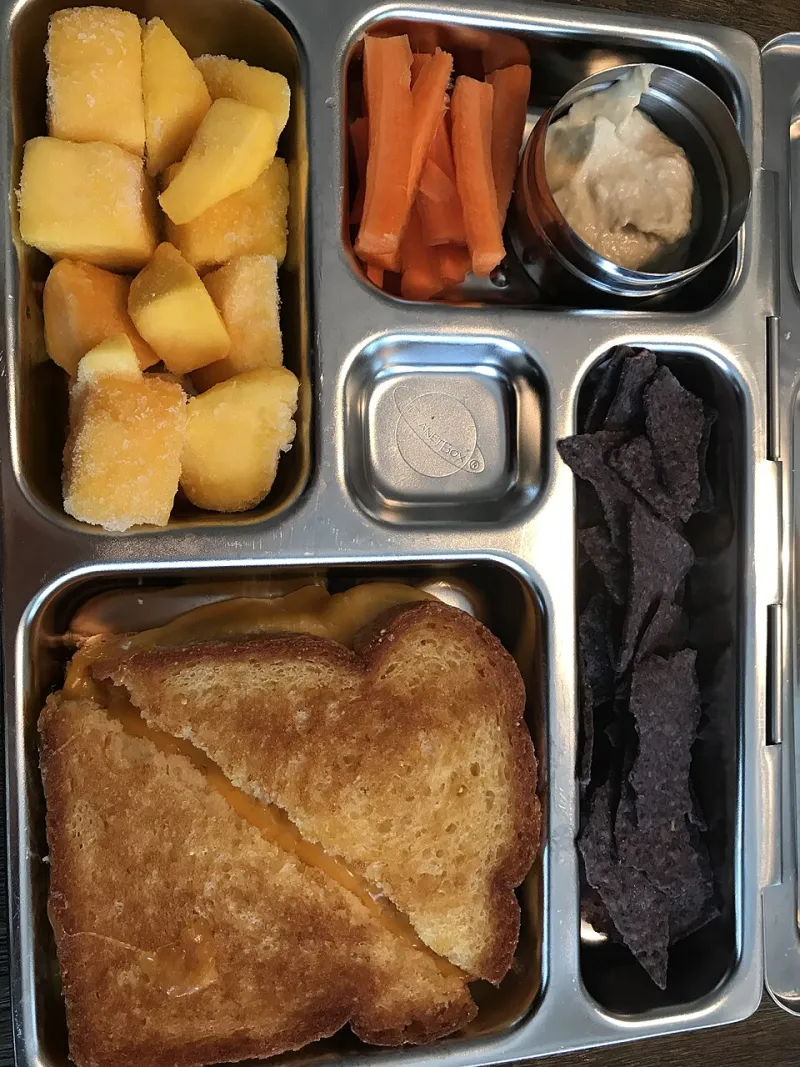
Photo: Cindyparnell, CC BY 4.0, via Wikimedia Commons
Let's be honest. You've been there. You ordered something magnificent — maybe a turkey with avocado and that honey mustard that makes you feel like everything is going to be okay — and by the time noon rolls around, you're staring at a sad, damp square of bread that's absorbed half the condiments and given up entirely on its structural integrity.
The sandwich didn't fail you. The packing did.
At M&M Deli, we've handed a lot of lunches across the counter, and we've heard a lot of sad stories from regulars about what happens between here and there. So consider this your practical field guide to giving your deli sandwich the transit experience it actually deserves.
The Sogginess Problem Is a Moisture Problem (Surprise)
Here's the thing most people don't think about until it's too late: your sandwich is a living ecosystem. The moment the bread makes contact with anything wet — tomatoes, pickles, wet deli meat, heavy dressings — moisture migration begins. And it doesn't stop just because you zipped the bag.
The fix isn't complicated, but it does require a little intentional layering.
Start with your proteins and cheeses directly against the bread. These act as a barrier. Then build your wet ingredients — tomatoes, cucumbers, roasted peppers — toward the middle of the stack, away from both bread surfaces. Condiments like mayo, mustard, and aioli go on the bread last, but here's a tip the counter folks at every good deli know: a thin layer of butter or a schmear of cream cheese underneath your mayo creates a moisture-resistant seal. It sounds a little extra, but your 12:15 self will be grateful.
Pickles are their own category. They're delicious, they're wet, and they will absolutely soak through a kaiser roll given enough time. Pack them separately in a small container and add them when you're ready to eat. Same goes for sliced tomatoes if you're packing anything more than an hour in advance.
The Container Question (It Matters More Than You Think)
Zip-lock bags have their place in this world, but that place is not a deli sandwich you care about. Bags allow compression, and compression is the enemy of good crumb structure. When the bread gets pressed flat, everything that was carefully layered starts to merge into one uniform, indistinct texture. You lose the experience.
A rigid container — even a basic plastic lunch box — solves this immediately. The sandwich sits, it doesn't get squeezed, and the layers stay where you put them. If you really want to level up, look for containers with a slight divider or a separate small compartment for wet add-ons. A lot of our regulars have started using the bento-style boxes that have become everywhere lately, and honestly? Smart move.
For hot sandwiches that you're reheating at work — a Reuben, a meatball sub, anything with melted cheese — wrap in foil before boxing. The foil helps retain a little heat during transport and makes the reheat in a toaster oven or microwave more even.
Build Order Is Everything
If you're assembling at home before packing (rather than bringing deli ingredients separately), the build order of your sandwich is your last line of defense.
Bottom bread → protein → cheese → dry toppings (lettuce, onion) → wet toppings (tomato, pepper) → second protein layer if applicable → top bread with condiment side facing in.
Lettuce is underrated as a moisture barrier. A full leaf between your tomato and your bread does real work. Don't skip it just because it seems like a garnish.
Also: thick-sliced deli bread holds up significantly better than pre-sliced sandwich bread for packed lunches. The denser crumb structure means slower moisture absorption. If you're buying bread from us or your local deli, ask for it sliced a little thicker than standard. Most places are happy to do it.
Reader Submissions: Real Solutions From Real Lunch-Packers
We asked our community how they handle the daily sandwich commute, and the responses were genuinely impressive.
"I pack my Italian combo dry — no oil or vinegar — and keep a little container of the dressing separate. I add it right before I eat. Takes ten seconds and the sandwich is perfect every time." — Submitted by a regular from the lunch crowd
"For my kids' lunches, I cut the sandwich into quarters and pack each piece standing upright in the container, like little sandwiches in a row. Less surface area touching the box, and it fits better anyway."
"Freeze a small water bottle the night before and use it as your ice pack. By lunch, it's mostly melted and you have cold water to drink. Keep it on the side of the bag, never directly under the sandwich." — This one we actually love and have started recommending ourselves.
The Golden Rule of Deli Lunches
The best sandwich is one that gets eaten close to when it was made. That's just the truth. But life doesn't always cooperate, and lunch at your desk is a reality for a lot of people.
The good news is that with a few small adjustments — smart layering, the right container, and keeping the wet stuff separate — you can get remarkably close to that fresh-counter experience even hours later. Your sandwich worked hard to be delicious. Give it the commute it earned.
And if all else fails, there's always the option of eating it immediately in the parking lot. No judgment here. We've seen it happen.