Taste Memory Is a Map: How to Track Down and Rebuild the Sandwich You've Been Missing

There's a particular kind of hunger that has nothing to do with your stomach. It's the kind that hits you at 2 p.m. on a Tuesday, somewhere far from home, when your brain suddenly and completely insists on a sandwich you haven't eaten in three years. You can feel the weight of it in your hands. You can almost smell the wax paper.
If you've ever moved away from a neighborhood deli you loved — or just found yourself cut off from a place that knew your order by heart — you already know what we're talking about. And if you've ever tried to recreate that sandwich at home and come up slightly short, this one's for you.
The good news: taste memory is more reliable than you think. The even better news: it's also a pretty solid map.
Start With What You Remember Most Clearly
Before you open a single cabinet or drive to the grocery store, sit down and think. Not about the whole sandwich — just the part that hits you first. Is it a sharp, tangy bite up front? A slow, smoky finish? The way the bread gave just enough resistance before everything collapsed together?
That first sensory impression is usually your most honest clue. If the thing you miss most is a briny, acidic punch, you're probably chasing something with good mustard, pickles, or both. If it's richness — that deep, satisfying coat on the roof of your mouth — you're likely looking at a fat component: mayo, oil, or a fatty cut of meat like pastrami or capicola.
Write it down. Seriously. Grab a notebook and jot down every flavor memory you can pull up, from first bite to aftertaste. This is your working document. Think of it less like a recipe and more like field notes from your own palate.
Break the Sandwich Into Layers
Every great deli sandwich is really a series of decisions stacked on top of each other. When you're trying to reverse-engineer one, it helps to think in layers rather than as a whole.
Bread: Was it chewy or soft? Did the crust shatter a little or stay pliable? A good Italian sub roll behaves completely differently than a seeded rye or a soft hoagie. Think about the structural experience — did the sandwich hold together or did it kind of collapse in the best way?
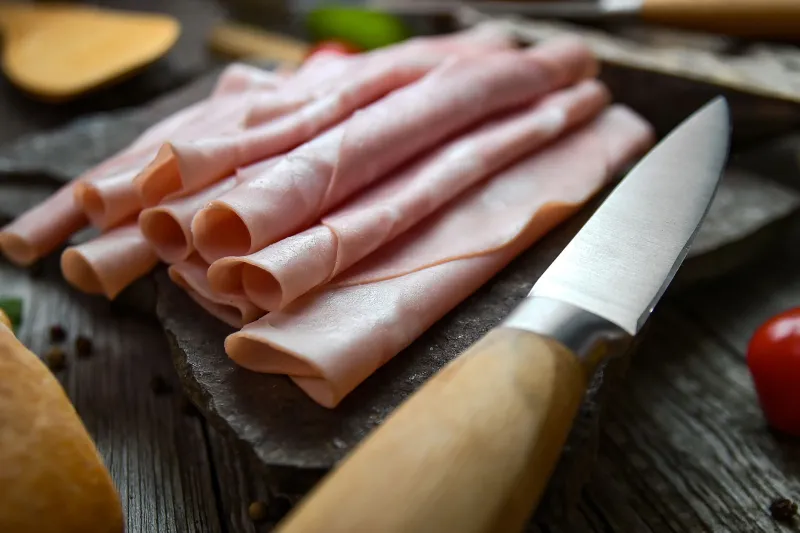
Protein: This is usually the anchor. Was it sliced thin or thick? Did it have a cured, salty quality or something more roasted and mild? Deli meats like mortadella, turkey breast, and roast beef each have a distinct texture and fat profile. If you're not sure what the meat was, think about how it sat on your tongue — did it melt, or did it have some chew?
Cheese: Cheese is often the quiet star of the sandwich. Provolone has a mild, slightly tangy sharpness. American is creamy and salty. Swiss has that nutty, almost sweet finish. If the cheese was melted, that changes everything — melted provolone on a hot sandwich reads totally differently than a cold slice.
Spread and condiments: This layer is where personality lives. A swipe of spicy brown mustard versus yellow versus deli-style horseradish cream — each one sends the whole sandwich in a different direction. Same goes for oil and vinegar, which is the backbone of a classic Italian sub, versus mayo, which anchors something more like a club.
Extras: Shredded lettuce, sliced tomato, hot peppers, giardiniera, raw onion, roasted red peppers — these are the finishing details that often make a sandwich feel like that sandwich.
Ask the Right Questions (Even From Far Away)
If the deli is still open and you're just not nearby, don't be shy about calling or emailing. Most deli workers genuinely appreciate when someone cares that much about their food. You don't have to ask for a secret recipe — just ask about the basics.
"What kind of bread do you use for the Italian combo?" "Is that turkey roasted in-house or sliced from a brand?" "What's in the house dressing?" These are reasonable questions, and the answers will save you a lot of trial and error at home.
If the place has closed or you genuinely can't reach anyone, look for reviews online. People who love their neighborhood deli tend to be very specific in the comments. Someone, somewhere, has already written three paragraphs about the oregano ratio in the oil-and-vinegar mix.
Trust Your First Attempt — Then Adjust
Once you've assembled your best guess at the sandwich, eat it slowly. Not while scrolling. Not over the sink. Sit down and pay attention.
Your first bite will tell you what's missing before your brain even catches up. Too flat? You probably need more acid — try a splash more vinegar, or add pickles. Too one-note? You might be missing a contrasting layer, like hot peppers against something rich, or a sharper cheese against a milder meat. Something feels off but you can't name it? Check the bread first. A lot of "this isn't quite right" feelings in sandwich recreation come down to the wrong loaf.
Keep notes as you go. The notebook you started with sensory memories becomes a running log of adjustments, and usually by the third attempt you're very, very close.
The Emotional Part Is Real, and It Matters
Here's the thing nobody tells you about recreating a beloved sandwich: part of what you're chasing isn't just flavor. It's context. The corner deli where everyone knew your name. The particular Tuesday afternoon light coming through the window. The way the guy behind the counter wrapped it without asking how you wanted it because he already knew.
You can get remarkably close to the flavor. You can nail the bread and the meat and the spread. But the full experience — the comfort of being a regular somewhere, of belonging to a neighborhood table — that's something you build over time, wherever you land next.
The sandwich is a starting point. Making it at home, from memory, with your own hands, is its own version of that belonging.
And honestly? Sometimes the homemade version becomes the new benchmark. The one your future self will be chasing someday from somewhere else entirely.
That's not a bad legacy for a Tuesday lunch.