They Already Know Your Order: The Secret Language of the Corner Deli
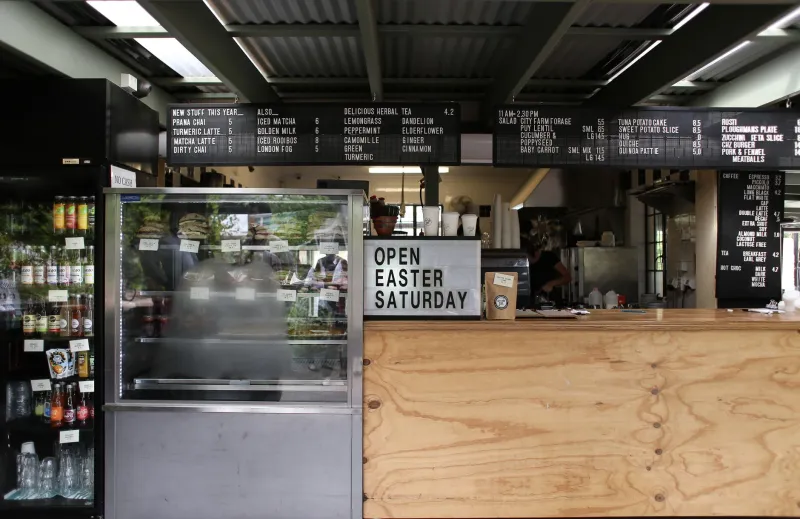
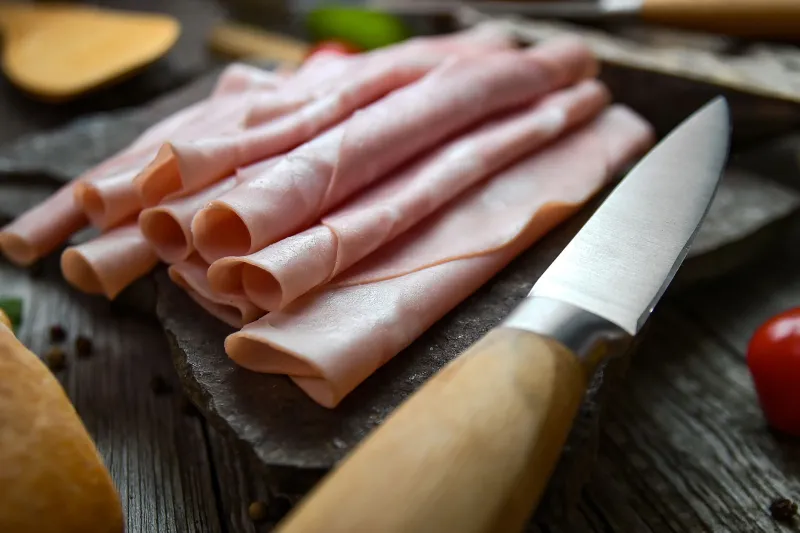
Walk into any deli that's been around long enough, and you'll notice something almost theatrical happening at the counter. A guy in a paint-spattered jacket steps up, says exactly four words, and thirty seconds later he's holding the most specific sandwich you've ever seen — extra-thin turkey, one slice of provolone, mustard on the bottom roll only, and a pickle on the side that nobody asked for out loud. The counter person just knew.
That moment — that small, unremarkable miracle — is what deli culture is actually built on. Not the menu. Not even the food, really. It's the accumulated shorthand of a thousand repeated orders, folded into something that feels a lot like belonging.
The Napkin as Sacred Document
Before smartphones and online ordering apps, there was the napkin. Or the torn corner of a brown paper bag. Or the back of a receipt from the hardware store two doors down. Deli workers across the country will tell you the same thing: people have been handing over handwritten order slips since forever, and those slips are genuinely fascinating artifacts.
"You learn to read them like a second language," says one counter worker who's been slicing meat at a neighborhood spot in South Philly for going on eleven years. "Some people write in all caps. Some people draw little arrows pointing to which condiment goes where. I had one guy — still comes in — who writes his order in a numbered list like it's a legal document. Every line item. Quantity. Specifications. He's an accountant. You can tell."
The abbreviations alone could fill a small glossary. WG for whole grain. LT for lettuce and tomato. XP for extra pickles. NOMU — no mustard, ever, under any circumstances, don't even let the mustard jar breathe near it. These aren't official codes. They're invented, neighborhood by neighborhood, sometimes person by person, and they stick.
What the Order Reveals About the Person
Here's something deli workers will tell you if you get them talking: they know things about their regulars that nobody else does. Not deep secrets, necessarily, but the kind of intimate knowledge that comes from paying close attention to someone's habits over years.
The woman who orders the same chicken salad on white every Tuesday but switches to rye on Fridays — she's probably keeping some version of the week's rhythm, a small ritual that marks the end of the grind. The guy who always asks for "a little less" of whatever he ordered last time is almost certainly on a diet his wife suggested and he's negotiating with himself in real time. The teenager who orders exactly what her dad orders, down to the hot peppers he loves and she clearly doesn't, is working something out.
"People think they're just ordering lunch," says a deli manager in Chicago's Pilsen neighborhood. "But they're telling you who they are. What kind of mood they're in. Whether it was a rough morning. You get good at reading it."
This is the part of deli culture that doesn't make it into food writing very often — the counter as confessional, the order as small autobiography.
The Names That Become Legends
In a busy deli, the name you give for your order becomes its own kind of signature. And some names — or the way certain people say them — become part of the counter's unofficial folklore.
There's a well-known phenomenon in neighborhood delis where a regular's name becomes shorthand for their entire order. You don't need to say what you want anymore. You just say your name, and the whole thing assembles itself in the kitchen like muscle memory. "We've got a few of those," laughs a counter worker at a Brooklyn deli that's been open since the early eighties. "There's a 'Sal' — that's a specific thing. Roast beef, sharp cheddar, horseradish, toasted. We don't even write it down anymore. Sal comes in, somebody just starts making it."
The most memorable orders, though, tend to be the unusual ones. The woman who wanted her egg salad on a hot dog bun because she liked the ratio of filling to bread. The guy who requested his pastrami sandwich with the meat on the side because he liked to build it himself at the table. The kid who ordered "the usual" on his very first visit — had never been in before, just figured it was worth a shot. (They made him something good. He became an actual regular.)
Trust, Built One Order at a Time
What all of this adds up to — the napkin shorthand, the name that means a whole meal, the order that never changes — is trust. Real, specific, earned trust between a customer and the people who feed them.
That's not a small thing. In a world where most food transactions are frictionless and anonymous, where an algorithm recommends your lunch and a stranger drops it at your door, there's something genuinely nourishing about being known at a counter. About having your preferences remembered not because a database stored them, but because another human being paid attention.
"The ones that get me," admits a longtime deli worker in New Orleans, "are when someone comes in after a long time away. Maybe they moved, or they were sick, or whatever happened. And they order the same thing they always ordered. And you still remember it. You can see what that does to them. It matters."
Your Order Is a Ritual. Honor It.
If you're a deli regular, you already know this on some level. You know that your order is yours — specific, deliberate, refined over years of knowing what you want. You know the small pleasure of not having to explain yourself.
And if you're newer to the neighborhood, or newer to the deli habit altogether, here's the invitation: become a regular somewhere. Order the same thing a few times. Learn the names of the people behind the counter. Let them learn yours.
Because the best thing a deli can write in its notebook isn't a recipe or a special. It's your name, followed by everything that comes with it — exactly the way you like it, ready before you finish asking.
That's the whole point of a neighborhood table. It remembers you.