Same Counter, New Hands: How Second-Generation Deli Kids Are Shaking Up the Family Business
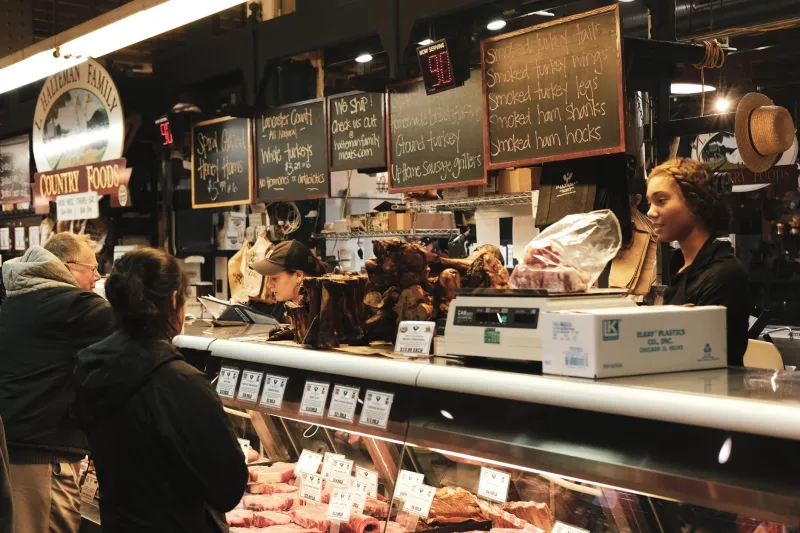
There's a particular kind of education you only get by growing up inside a deli. You learn that the slicer blade needs adjusting before the morning rush. You learn which regulars want their turkey thick and which ones will send it back if it isn't shaved paper-thin. You learn that your dad's hands move differently on a Saturday than they do on a Tuesday — faster, more certain, almost like muscle memory turned all the way up.
What you don't necessarily learn is what to do when it's your turn to run the place.
Across the country, a quiet generational shift is happening inside America's neighborhood delis. The sons and daughters who grew up stacking shelves and sneaking bites of fresh-cut salami are now the ones making decisions — about the menu, the sourcing, the vibe, the whole identity of places their families spent decades building from scratch. And they're doing it with one eye on tradition and one eye on everything else the world has become.
The Weight of the Family Recipe
For anyone who inherits a beloved neighborhood spot, the pressure is real and it is specific. It's not the generic pressure of running a small business. It's the pressure of knowing that the guy at table four has been ordering the same Reuben every Thursday since 1987, and that Reuben was perfected by your mother, and your mother is now watching from the back of the house to see if you remembered to press it long enough.
That tension — between the legacy on the wall and the ideas in your head — is exactly where the most interesting things are happening in deli culture right now.
Some second-gen operators describe it as a negotiation. You don't blow up the menu on day one. You earn trust slowly, maybe by introducing one new item a season, by listening hard to what the regulars actually say versus what they think they're saying. A customer who complains that "everything's changing" might just be asking to be reassured that the stuff they love isn't going anywhere.
Small Tweaks, Big Statements
The changes second-generation owners make aren't always dramatic. Sometimes it's sourcing — swapping in bread from a local bakery that mills its own flour, or switching to a regional cheesemaker whose provolone has more character than the bulk stuff their parents used to order. These aren't flashy moves. The sandwich still looks the same on the menu board. But regulars notice, even if they can't quite name what's different. "It just tastes better" is about as high a compliment as a deli can receive.
Other times, the changes are more visible. Seasonal specials have become a calling card for younger operators who want to keep the menu feeling alive. A classic turkey club doesn't disappear — it just gets company in October when a roasted squash and smoked gouda variant shows up on the chalkboard for a few weeks. The regulars order their usual. The newer customers, the ones who found the place on Instagram or wandered in from a nearby apartment building, try the special. Everybody wins.
Presentation has shifted too. This isn't about turning a deli into a fine dining room — nobody wants that, least of all the people making the sandwiches. But the second generation grew up in a visual culture, and they understand that a well-constructed sandwich photographed in good light can bring in a crowd that never would have walked through the door otherwise. The food has to be the star, not a prop. But there's nothing wrong with making sure it looks as good as it tastes.
The Ingredient Mashup Question
Here's where things get genuinely complicated: the unexpected ingredient combination. Every second-gen operator seems to have one — the idea they were nervous to float past their parents, the thing that felt like it had no business being on a deli menu until the day it sold out by noon.
Maybe it's a kimchi-and-pastrami melt that nods to the neighborhood's changing demographics. Maybe it's a bánh mì-inspired cold cut sandwich that uses the deli's house-cured pork but swaps in pickled daikon and fresh jalapeño. Maybe it's just adding a really good hot honey to the condiment lineup and watching it quietly become the most-requested topping in the shop.
These moves work when they come from somewhere real — from the neighborhood, from the owner's actual background, from an honest curiosity about flavor rather than a calculated attempt to go viral. The delis that feel gimmicky are the ones chasing trends from the outside. The ones that feel electric are the ones where the innovation is personal.
What the Old Guard Actually Thinks
Ask the parents and grandparents who built these places what they think about the changes, and you'll often get something more nuanced than you'd expect. Yes, there are stories of friction — the father who didn't speak to his son for a week after the menu redesign, the grandmother who still insists the original chicken salad recipe doesn't need lemon zest, thank you very much.
But there's also pride. Deep, complicated, sometimes hard-to-express pride in watching someone you raised take something you built and make it bigger than you imagined. The best delis are living things, and the families who built them — even when they grumble — often know that a living thing has to keep changing or it stops being alive.
The Soul Stays
What the best second-generation operators seem to understand, almost instinctively, is that the soul of a neighborhood deli isn't located in any single recipe. It's in the way the place makes people feel. The familiarity. The sense that somebody behind that counter actually knows you, or at least is genuinely glad you walked in. The feeling that this is a place that belongs to the neighborhood rather than just operating inside it.
You can change the bread supplier and keep the soul. You can add a seasonal menu and keep the soul. You can make the space a little brighter, put some plants in the window, and post the daily special on social media — and keep the soul. What you can't do is stop caring about the people who show up, stop paying attention to what they need, stop treating each sandwich like it matters.
The kids who grew up watching their parents do this work already know that. It's the first thing they learned, even before they knew they were learning it.
At M&M Deli, we think that's worth celebrating — the counter that stays in the family, the recipes that get handed down and then quietly, carefully, lovingly improved. The neighborhood table, served fresh daily, by someone who grew up right here.