One Shift, Ten Thousand Sandwiches: What I Learned Shadowing a Deli Counter Pro
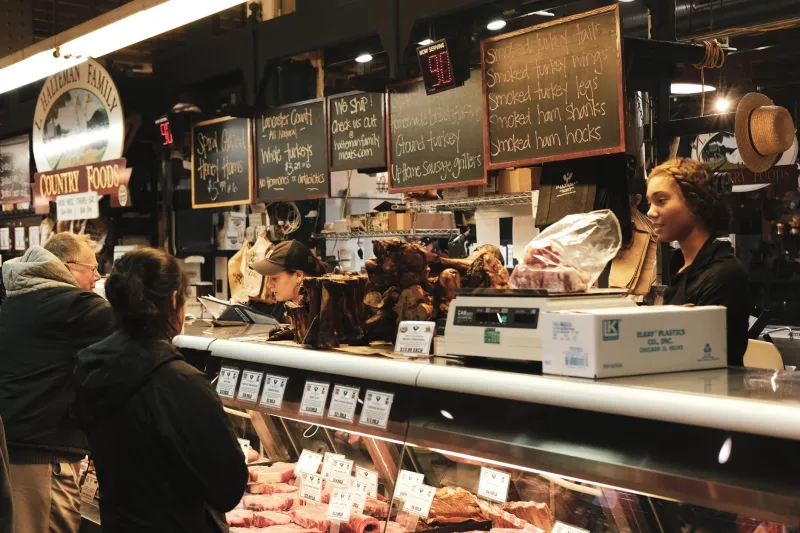
Marcus doesn't measure anything. Not the mustard, not the meat, not the pickles he fans out across the bread with a flick of his wrist that looks almost lazy until you realize every slice lands exactly where it needs to. He's been behind the counter at a neighborhood deli in South Philadelphia for over two decades, and somewhere around sandwich number four or five thousand, his hands stopped needing instructions from his brain.
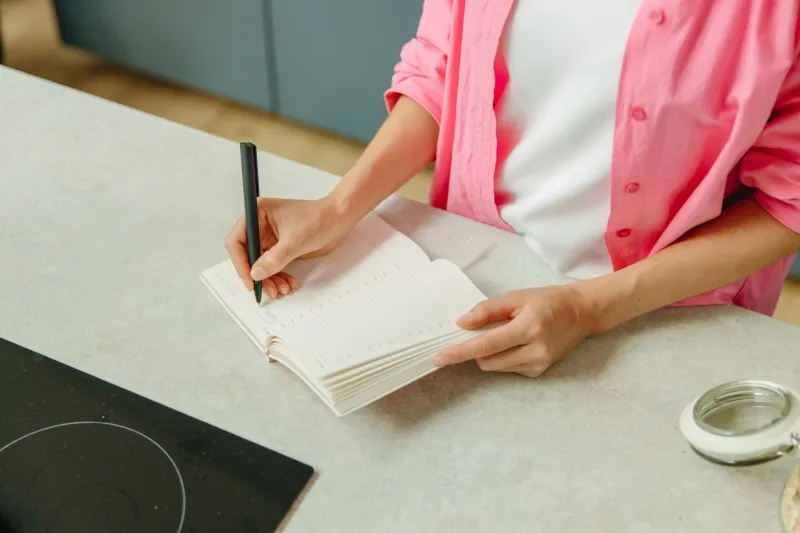
I showed up at 7 a.m. on a Tuesday with a notebook and what I now understand was a dangerously overconfident attitude. I've made sandwiches my whole life. How different could it be?
Very different, it turns out.
The First Thing He Told Me to Do Was Slow Down
I reached for the bread knife almost immediately. Marcus put a hand on my arm — not urgently, just firmly — and said, "Look at the bread first."
I looked. It was a hoagie roll. Marcus shook his head.
"Really look at it."
So I did. I turned it over. I pressed it lightly with two fingers the way you might test a mattress. The crust gave just slightly, then pushed back. The inside, when he finally let me slice it, was soft but structured — not gummy, not dry. "That bread's from this morning," he said. "You treat it different than yesterday's. Yesterday's needs more moisture. Today's needs less."
This was lesson one, and we hadn't even opened the deli case yet.
The idea that bread age should actively change your approach to building a sandwich had never once crossed my mind. Marcus explained that staler bread can handle wetter toppings without going soggy as fast, while fresh bread needs you to be a little more conservative with your spreads, or to apply them strategically — fat-based condiments like mayo or aioli acting as a moisture barrier between the bread and anything juicy.
I wrote that down. He watched me write it down and smiled like a man who'd given this speech before.
Reading the Meat
By 8 a.m., the slicer was running. This is where things got genuinely humbling.
Marcus can tell by sound and feel when the slicer blade needs adjusting. He can read a cut of roast beef or turkey breast and know, almost intuitively, which direction to slice for the most tender result. "You're always going against the grain," he said, "but the grain moves. You gotta keep checking."
My first few passes on the slicer produced slices that were technically correct but, Marcus pointed out, slightly uneven in thickness — thicker on one edge, thinner on the other. "That's gonna change how the sandwich eats," he said. "The fat parts get chewy. The thin parts disappear. You lose the whole texture."
He wasn't being harsh about it. He was just telling me the truth, the same way a good coach corrects your form without making you feel like a failure. That tone — patient, matter-of-fact, occasionally amused — turned out to be its own kind of lesson. The deli counter, at its best, is a place of craft without ego.
The Stack Isn't Random
Here's what I used to do when building a sandwich at home: lay the meat down, add cheese, pile on whatever toppings I had, close it up. Done.
Here's what Marcus does: thinks about it first.
He considers the weight distribution, the moisture levels of each ingredient, and what he calls "the eating arc" — the experience of the sandwich from first bite to last. "If all your wet stuff is in the middle, the ends are gonna be dry," he said, layering thin-sliced capicola across a roll with a deliberateness that looked almost meditative. "You want flavor in every bite. Not a great middle and two boring ends."
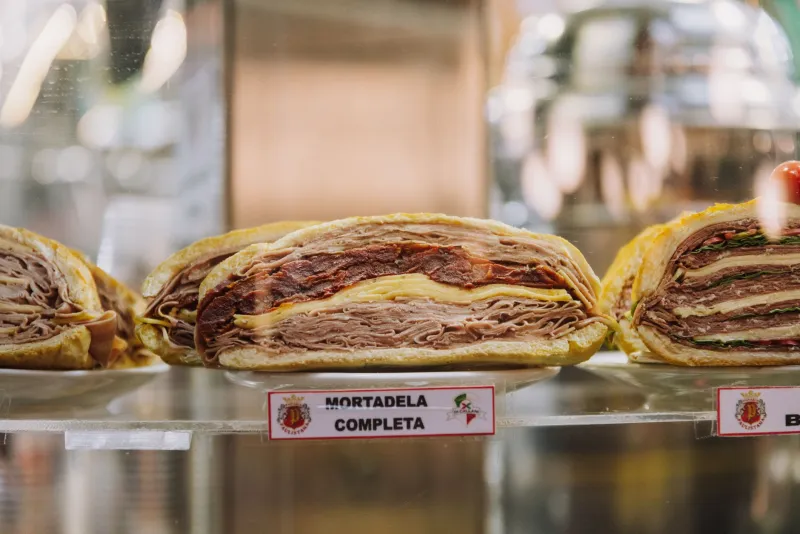
He showed me how he places cheese directly against the bread on one side to create a barrier, how he curls deli meat rather than laying it flat so it traps air and gives the sandwich loft and tenderness, and how he thinks about which condiments go on which side of the bread based on what they're adjacent to. Mustard on the meat side. Mayo on the bread side. Always.
I asked why and he shrugged. "Mayo's fat. It protects the bread. Mustard's acid. It works on the meat." He said it like it was obvious. It is obvious — once someone explains it.
The Mistakes Nobody Talks About
Around 10 a.m., the counter got busy and Marcus let me take a few orders while he watched. The first sandwich I built on my own — a turkey and swiss on whole wheat — he picked up, held it for a moment, and then quietly said, "Too tight."
I'd pressed the bread down when I wrapped it, compressing the whole stack. The sandwich would've been dense and flat by the time the customer got to their desk. Marcus re-built it with a lighter touch, wrapped it so it held its shape without being crushed, and handed it across the counter.
The customer said, "Thanks, Marcus," without even looking up.
That's the invisible work of the deli counter. Nobody orders a sandwich and thinks, I hope the structural integrity of this is well-maintained through transport. But when it's done right, the sandwich that arrives in your hands at noon feels like it was just made. That's not an accident. That's craft.
I also over-salted a roast beef that morning. Marcus caught it before it went out. He didn't lecture me — just quietly rebuilt it and said, "The meat's already seasoned. The bread's already seasoned. The pickles are already seasoned. You're seasoning a room that's already full of furniture."
I haven't over-salted a sandwich since.
What Muscle Memory Actually Feels Like
By noon, I was exhausted in a specific way — not physically wrecked, but mentally spent from paying attention to so many small things simultaneously. Marcus, meanwhile, was the same as he'd been at 7 a.m.: steady, efficient, unhurried even when the line stretched to the door.
I asked him when it started to feel natural. He thought about it.
"Maybe year three?" he said. "But you're always learning. Last month I tried a new way to layer prosciutto and it was better. After all this time."
That stuck with me. Ten thousand sandwiches in, and he's still experimenting, still refining. The craft doesn't have a finish line. It just has better and better versions of itself.
If you've ever stood at your kitchen counter wondering why your homemade sandwich doesn't quite hit the way the deli version does, here's the honest answer: it's not the ingredients. It's the attention. The bread assessment, the stack architecture, the moisture management, the gentle wrap. These are learnable things. They just take someone willing to slow down, really look, and make about nine thousand more sandwiches before it all becomes second nature.
Marcus walked me out at the end of my shift and handed me a sandwich he'd made while I wasn't watching. Turkey, provolone, hot peppers, a little oil and vinegar. Wrapped perfectly.
"For the road," he said.
It was the best sandwich I'd had in years. Of course it was.