Something About 2 AM: Why the Sandwich You Make After Midnight Hits Different
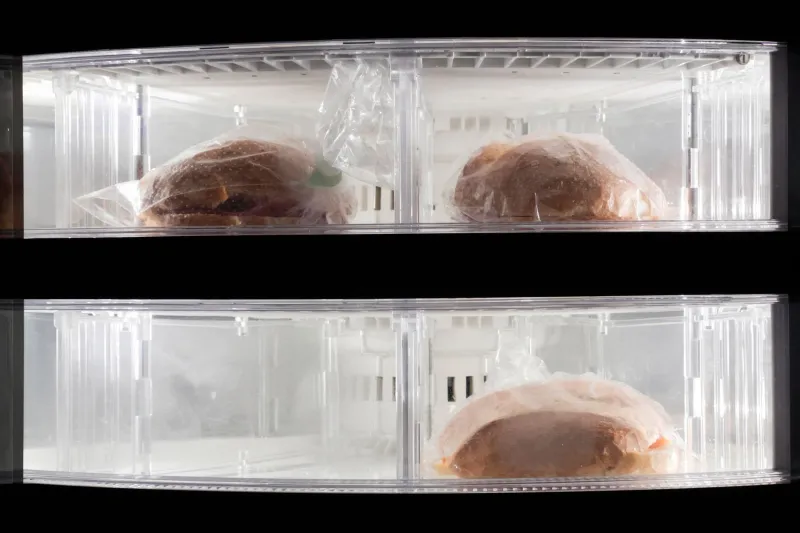
It happens to deli workers first. The last customer has gone home, the prep list is done, and the counter is finally, mercifully quiet. Someone pulls open the reach-in fridge — not because they have to, but because they need to — and starts building something just for themselves. No ticket. No rush. No one watching the clock.
The sandwich that comes out of that moment is almost always better than it has any right to be.
Ask anyone who's worked a closing shift at a deli, or anyone who's ever made a late run to the corner store for bread and whatever's left in the fridge at home, and they'll tell you the same thing: there's a version of a sandwich that only exists after midnight. It tastes different. It feels different. And it's weirdly, stubbornly unforgettable.
So what's actually going on?
Your Brain Is Running on a Different Track
Late at night, your body is doing something interesting. Circadian rhythms — the internal clock that governs sleep, hunger, and hormone levels — shift throughout the day, and by the time midnight rolls around, your appetite is operating on a different frequency. Research suggests that late-night eating often involves a spike in perceived flavor intensity, partly because your brain's reward centers are more active when you're tired and your inhibitions are lower.
In plain terms: you're not imagining it. That sandwich genuinely does taste more satisfying at 2 AM. Your brain is more willing to give itself over to the experience.
There's also something called the "effort heuristic" at play. When you've stayed up late, worked a long shift, or just survived a particularly grueling Tuesday, your brain assigns extra value to things that feel earned. A sandwich you make after midnight — whether you're a deli worker grabbing a bite before locking up or a regular customer who made a special trip — carries the weight of that effort. It tastes like a reward, because in your brain's accounting, it is one.
The Quiet Changes Everything
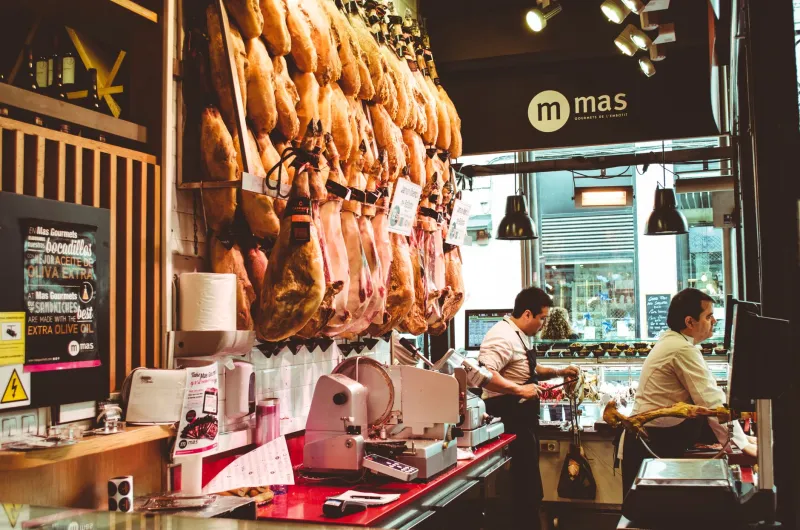
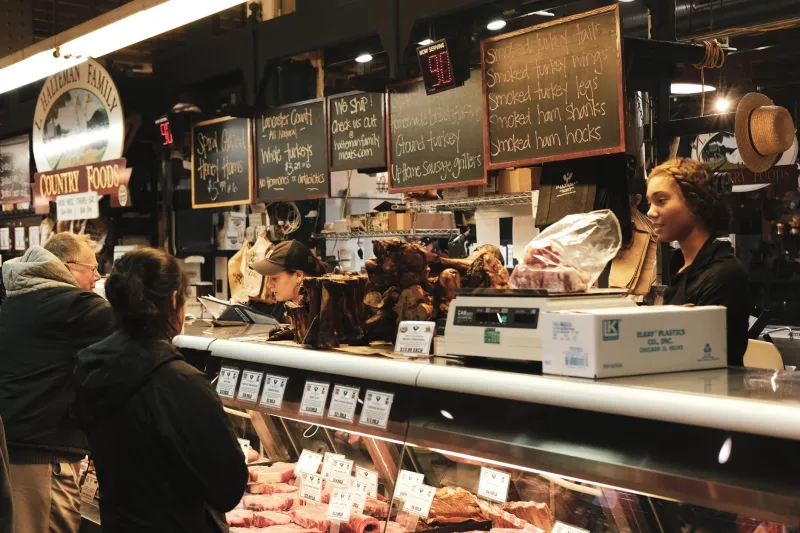
A deli at noon is a particular kind of controlled chaos. Orders are flying, the slicer is running, someone's asking about the soup, and there are four people in line who all want something slightly different. That energy is part of what makes a great deli great — but it's also noise, in every sense of the word.
At midnight, all of that disappears.
The quiet that settles over a deli after hours — or over your own kitchen at 1 AM — is a different sensory environment entirely. Without the background noise, you actually taste more. This isn't metaphorical. Studies on multisensory perception have found that ambient noise genuinely suppresses taste sensitivity, particularly for sweet and salty flavors. Strip away the noise, and those flavors come forward.
The same salami you ate in a loud deli at lunch tastes sharper, saltier, more present when you're eating it in silence. The bread seems crustier. The mustard hits harder. You notice things you didn't notice before.
The Lighting Does Something to You
Deli lighting during business hours is functional — bright, even, designed to show off the case and keep things moving. Late-night light is something else. Whether it's the warm glow of a single overhead bulb in your kitchen, the hum of a reach-in fridge casting pale light across the counter, or the amber streetlight coming through the window, the visual environment changes completely.
Dim, warm lighting has been shown to slow people down and make them more present in what they're eating. You're not scanning the room. You're not half-watching the door. You're just there, with your sandwich, in the quiet.
There's a reason so many people's most vivid food memories happen in exactly this kind of light. The brain encodes experiences more deeply when they're emotionally resonant and sensory-rich — and a late-night sandwich, eaten slowly and alone, checks both boxes.
It's Also About Permission
Here's the thing nobody says out loud: eating a really good sandwich late at night feels a little transgressive, and that's part of the appeal.
During the day, eating is often functional. You're fueling up between things. You eat at your desk, or standing at the counter, or in the car. There's a schedule, and the sandwich is part of it.
At midnight, none of that applies. You're eating because you want to. Because you're hungry in that specific, slightly irrational way that only shows up after dark. Because you opened the fridge and the leftover roast beef was right there, and so was the horseradish, and the rye bread was still good, and something just clicked.
That sense of pure, uncomplicated want — eating something because it sounds incredible right now, not because it's lunch o'clock — makes the sandwich taste better. Pleasure is heightened when it feels a little unscheduled.
What Deli Workers Have Always Known
The best deli workers have understood this intuitively for generations. The meal you make for yourself after the rush, with the good stuff you set aside, eaten standing at the prep counter before you mop the floor — that's the meal. That's the one that reminds you why you got into this business.
It's not about the ingredients being different. It's about the context being completely stripped away. No performance, no presentation, no one to impress. Just the bread, the meat, the cheese, and whatever you feel like putting on it, eaten in the particular peace of a place that belongs to you for one quiet hour.
Regular customers who've made late-night deli runs — the kind of places that stay open until 2 or 3 AM in cities that actually sleep — often describe the same thing. The counter feels different. The person making your sandwich isn't rushing. You're not rushing. The whole transaction is slower and more human, and the sandwich lands differently because of it.
How to Chase the Feeling at Home
You don't need to work a deli closing shift to get there. The late-night sandwich experience is reproducible, if you're willing to lean into it.
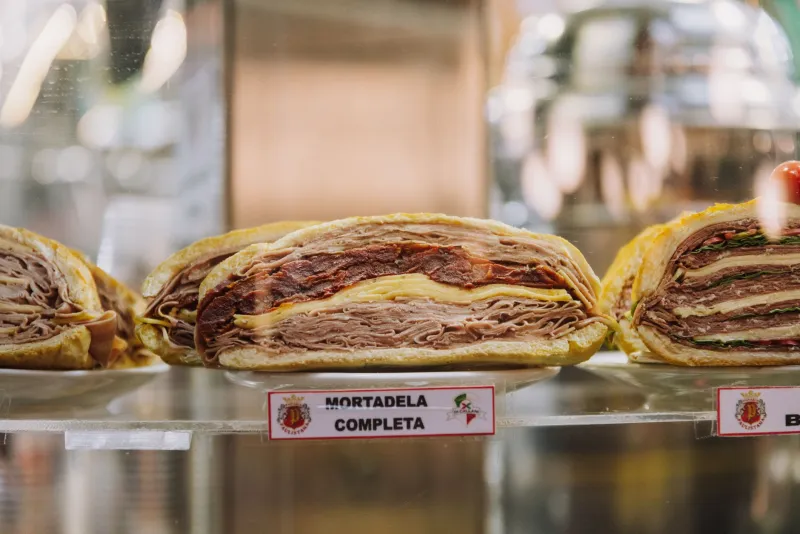
Keep the lights low. Don't eat standing over the sink — actually sit down somewhere comfortable and quiet. Use the good stuff you've been saving: the imported mustard, the salami you splurged on, the bread you baked over the weekend. Build slowly, without a plan, and let the sandwich become whatever it wants to be.
Most importantly, don't apologize for it. Don't eat it in a hurry or feel weird about being hungry at midnight. That hunger is real, and it deserves a real answer.
The deli fridge at midnight isn't just a place to find food. It's a place to find a version of eating that's entirely your own — unhurried, unselfconscious, and almost always more delicious than it has any right to be.
Some of the best sandwiches ever made happened when most of the world was sleeping. There's no reason yours can't be one of them.