Bring Back the Good Stuff: Classic Deli Recipes Your Family Forgot They Were Missing
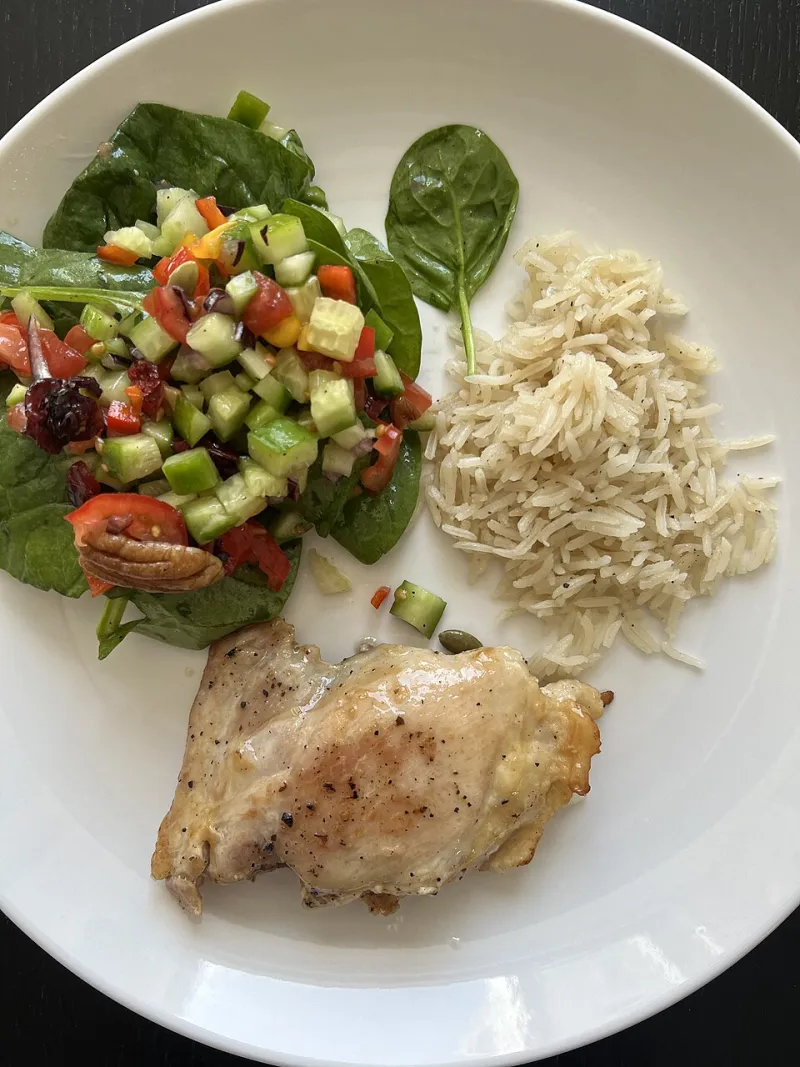
Photo: HaJunkiyada, CC BY-SA 4.0, via Wikimedia Commons
Somewhere between the rise of avocado toast and the fourth wave of artisan coffee, we quietly stopped making the food that actually kept neighborhoods running. The chicken salad that Mrs. Kowalski used to sell by the pound. The potato pancakes that came out of the kitchen at the Jewish deli on the corner every Saturday morning. The meatloaf that somehow tasted better cold the next day than it did fresh out of the oven.
These weren't fancy dishes. They weren't supposed to be. They were built for real life — for feeding kids before school, for stretching a dollar, for bringing something to a potluck that people would actually eat. And somewhere along the way, we let them slip.
We've been collecting stories and recipes from readers and local deli folks, and what we found is that the hunger for this food — literal and otherwise — hasn't gone anywhere. People just need a reason to make it again.
Why Deli Comfort Food Hit Different
There's a reason these dishes stuck around for decades before we collectively decided they were unfashionable. They were engineered for satisfaction. High-fat, high-protein, built around pantry staples and techniques that rewarded patience over precision. A good chicken salad, for instance, isn't just chopped chicken with mayo. It's about the ratio of creamy to tangy, the texture contrast between soft meat and something with a little crunch, the seasoning that makes you go back for a second spoonful.
Deli cooks — many of whom were home cooks first, working from family recipes that crossed oceans — understood that food needed to taste good cold, at room temperature, reheated, and eaten standing over the sink at midnight. That's a different design problem than restaurant cooking, and it produced a completely different kind of genius.
"My grandmother made her chicken salad with celery, a little onion, and just enough mayo to hold it together," writes reader Linda Pratchett from Columbus, Ohio. "She'd add a squeeze of lemon at the end and nobody could ever figure out why it tasted so bright. That was her secret. She told me right before she passed and I've been making it the same way ever since."
That kind of recipe — the one that lives in someone's head and gets passed down through watching and tasting rather than written instructions — is exactly what neighborhood delis were built on.
Chicken Salad: The One That Started Everything
If there's a single dish that defines American deli culture across every region, it might be chicken salad. It shows up in Southern church cookbooks, New York Jewish delis, Midwestern lunch counters, and California sandwich shops. Every version is a little different, and every family has an opinion about which one is correct.
The base is simple: cooked chicken, mayo, and something acidic. Everything else is personality. Some people swear by sweet pickle relish. Others use tarragon and call it a day. The Southern version often includes pecans and dried cranberries. The classic deli version keeps it simple — celery, a little onion, salt, pepper, and enough mayo to bring it together without drowning it.
A good starting point for classic deli chicken salad:
- 2 cups cooked chicken, pulled or chopped (rotisserie works great)
- 1/3 cup mayonnaise (Duke's if you're in the South, Hellmann's everywhere else)
- 2 stalks celery, finely diced
- 2 tablespoons finely minced white onion
- 1 tablespoon fresh lemon juice
- Salt and white pepper to taste
Mix it together and let it sit in the fridge for at least an hour before you serve it. That resting time matters — it lets the flavors settle into each other. Serve it on white bread with a little extra mayo on the bread, or on a bed of iceberg lettuce if you want to feel slightly virtuous.
Potato Pancakes: Saturday Morning, Every Week
Reader submission from David Stern, Brooklyn, New York: "My grandfather's deli on Kings Highway made potato pancakes every Saturday. Not latkes, he'd correct you — potato pancakes. He said latkes were for Hanukkah. These were for every week. The line started before he even opened the door."
The difference between a great potato pancake and a mediocre one comes down to two things: moisture control and fat temperature. Grated potatoes release a tremendous amount of liquid, and if you don't squeeze it out thoroughly, you get steamed potato mush instead of a crispy, golden cake. And if your oil isn't hot enough when the batter goes in, you get the same result from the other direction.
Classic deli-style potato pancakes:
- 3 large russet potatoes, peeled and grated
- 1 small yellow onion, grated
- 2 eggs, beaten
- 3 tablespoons all-purpose flour
- 1 teaspoon salt
- Vegetable oil for frying
After grating the potatoes and onion together, put the mixture in a clean kitchen towel and wring out as much liquid as you possibly can. More than you think you need to. Then mix in the eggs, flour, and salt. Fry in about a quarter inch of oil over medium-high heat until deeply golden on both sides. Serve with sour cream and applesauce — both, not one or the other.
Meatloaf: The Dish That Deserves a Real Apology
At some point, meatloaf became a punchline. School cafeteria meatloaf, gray and dense and swimming in ketchup from a can, did a lot of damage to the dish's reputation. But a proper deli meatloaf — the kind that gets sliced and sold by the pound, served cold in a sandwich or warm with mashed potatoes — is genuinely one of the great American comfort foods.
The key is moisture and seasoning. Too many home cooks underseason ground meat, which is why homemade meatloaf tastes flat. Deli-style meatloaf is seasoned aggressively: garlic, Worcestershire sauce, sautéed onion, fresh herbs. And it uses a panade — bread soaked in milk — to keep the texture tender rather than dense.
"We sell more meatloaf on Tuesdays than any other day," says Carol Abramson, who runs a deli in suburban New Jersey. "I don't know why Tuesday. It's just always been Tuesday. People come in for their Monday leftovers and then they want comfort food again. Meatloaf is comfort food."
Make it on Sunday. Eat it warm for dinner. Slice it cold for sandwiches all week. That's the move.
The Real Point
These recipes aren't complicated. They're not trying to be. What they are is reliable, satisfying, and deeply connected to the way American neighborhoods used to feed themselves — through shared knowledge, family tradition, and the kind of cooking that doesn't require a culinary degree or a specialty grocery store.
Your grandmother's deli staples deserve a seat at the table again. Not because nostalgia is always right, but because this food is genuinely good, and we've been sleeping on it long enough.
Start with the chicken salad. You'll see what we mean.